
How Much Should a Technical SEO Audit Cost?
Blog
July 20, 2026
901 views
Super Admin
The cost of a technical SEO audit varies depending on your website's size, complexity, and the depth of analysis required. Whether you're running a small business website, an eCommerce store, or a large enterprise platform, understanding what's included in an SEO audit can help you choose the right service and avoid overpaying. This guide breaks down typical technical SEO audit costs, the factors that influence pricing, and what you should expect from a comprehensive audit.
Introduction
A technical SEO audit is like a health check for your website. Just as you visit the doctor to ensure your body is functioning properly, a website needs an audit to ensure it operates smoothly online.
That’s why business owners, marketers, and SaaS founders often invest in technical SEO. But before they start, they ask: How much does a technical SEO audit cost in 2026?
Typically, a technical SEO audit costs between $500 and $15,000, depending on the size of your website, the project's complexity, and the type of provider you choose.
In this guide, we'll explain why prices vary, what you can expect to receive for your investment, and whether you should opt for a one-time check or ongoing support.
By the end, you’ll know exactly what to budget, what deliverables to expect, and how to choose the right SEO partner for your business.
Key Takeaways
Most technical SEO audits cost $500–$15,000, depending on website size, complexity, and provider.
Freelancers: $500–$2,000 — cheaper, but limited scope.
Agencies: $2,000–$7,000 — broader expertise, structured reporting.
Enterprise Providers: $7,000–$15,000+ — advanced audits with dev-ready recommendations and dashboards.
The price depends on the audit depth, usage of tools, and deliverables.
A high-quality audit drives timely indexing, improved site speed, and higher conversions.
Beware of $99 “automated audits” — they lack data-based insights and rarely deliver ROI.
What is a Technical SEO Audit?
A technical SEO audit fixes hidden issues like speed, mobile use, and broken links so search engines can find you. Without it, even great content gets lost. In a busy market, an audit keeps your site visible and ahead of competitors.
Unlike a keyword or content audit, this one looks at the “behind-the-scenes” aspects of your site. It checks if search engines can crawl, index, and rank your pages without trouble. It is because if Google can’t read your site, your content won’t show up, no matter how good it is.
Technical SEO is not just about fixing broken links. A thorough audit makes sure your site works well for both search engines and users. That means checking site speed, mobile design, and security. Today, these factors matter more than ever as search engines now prioritize user-first experiences.
Audits now also review AI-readiness and structured data. As search engines become smarter, your site needs to be machine-friendly as well as human-friendly. A strong technical audit today prepares your business for the next wave of digital search and future updates.
A Checklist of a Technical SEO Audit
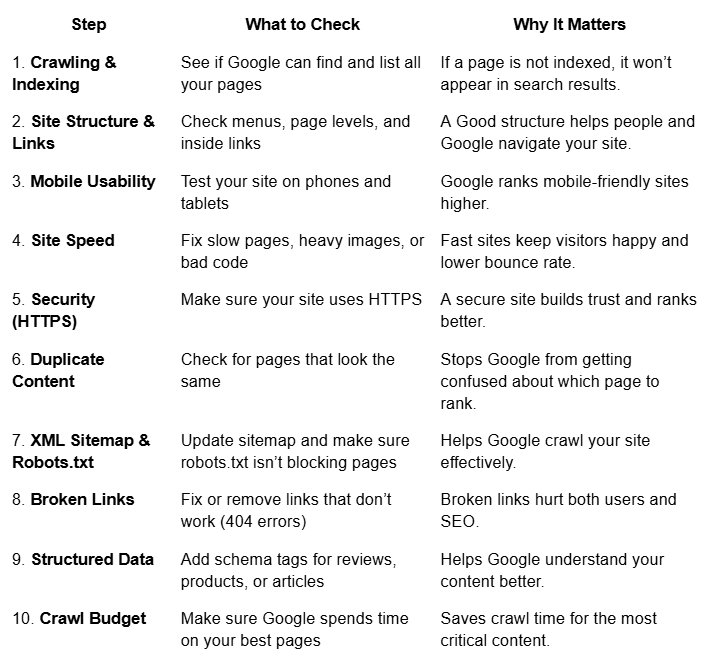
Now that you know what a technical SEO audit is, it's time to look at a step-by-step checklist. It shows what experts usually check. Small audits cover only a few steps, while bigger audits go through almost all of them — and that’s why costs are different.
How Much Does a Technical SEO Audit Cost in 2026?
The technical SEO audit price in 2026 typically ranges from $500 to $15,000. The exact cost of an SEO audit depends on the size of your website, the number of pages that need to be reviewed, and the type of expert you hire.
For example, a small eCommerce site with not more than 50 pages might spend only $800 for a full review. However, a large SaaS platform with more than 100,000 URLs could pay $10,000 or more, as it requires more time and advanced tools to crawl such a vast website.
Price Ranges by Type of Provider
Freelancers ($500–$2,000): Freelancers usually charge less because they work alone and rely on standard SEO tools. Their audits are budget-friendly and efficient, but they may not address in-depth technical issues. This option works well if you only need a surface-level review.
Mid-Tier Agencies ($2,000–$7,000): SEO agencies charge more because they bring a team, transparent processes, and essential skills. Their audits often provide detailed reports, show how you compare to competitors, and offer a simple plan that your team can follow.
Enterprise SEO Firms ($7,000–$15,000+): Large SEO companies charge higher prices because they handle very large sites with thousands of pages. Their audits delve deep, utilize powerful tools, and include easy-to-use dashboards, clear fixes, and regular check-ins.
What You Should Expect by Business Type
Small Business/Local Site ($500–$1,500): At this stage, you’re charged less because your site is smaller. The audit typically checks for crawl errors, speed, and mobile usability. The goal is to fix the basics so your site can rank better locally.
Growing eCommerce Site ($2,000–$5,000): Here, you pay more because online stores are high-volume websites with many components, like product listings and search filters. The audit provides an in-depth analysis, comparing you to competitors and giving a step-by-step action plan.
Large Enterprise or SaaS ($7,000–$15,000+): Enterprises are charged the most due to the complexity of their systems. These audits identify advanced technical issues, resolve data problems, provide easy-to-use dashboards, and include follow-ups to ensure the changes support your business growth.

Summary: The cost of an SEO audit is not a one-size-fits-all approach. Small businesses can keep it under $1,500, growing brands usually spend $2,000–$5,000, and big companies often cross $10,000.
One more factor to consider is time. A basic audit can be completed in just a few days. A mid-level audit typically takes 2–3 weeks, while enterprise audits often run for a month or more due to the additional detail required. Remember, the cost is not just about the report, but also the hours, tools, and people involved.
Expect under $1,500 for small sites, $2k–$5k for eCommerce, and $10k+ for enterprises.
Why Does the Cost of a Technical SEO Audit Vary So Much?
The cost of an SEO audit varies for every website depending on its size, number of pages, technical complexity, and the depth of review required. Some audits are fast scans that only list errors. Others are in-depth reviews that require hours of work, the use of advanced tools, and demand technical teamwork.
“Studies of user engagement metrics also show why deeper audits matter to keep visitors longer (Search Engine Journal, 2026)”
Business Size & Website Complexity: A small site with 20 pages is easier and less expensive to review. A large e-store with thousands of product pages requires significantly more time and effort, resulting in higher costs.
Tools & Tech Stack: Basic tools give simple reports. However, stronger tools like Screaming Frog or Sitebulb provide more detailed information. Since these tools incur money, they may increase the audit price.
Provider Type: Freelancers usually charge less but may miss some details. Agencies and enterprise providers charge more because they use large teams, advanced systems, and provide more comprehensive results.
Audit Depth & Deliverables

These levels indicate the level of detail you get for the money. A basic audit is good if you only need to identify major, evident issues. A mid-level audit provides a clear plan to fix these issues step by step. Enterprise audits are the most detailed. They not only identify problems but also connect the fixes to broader goals, such as marketing and sales growth.
In short: Basic = quick check, Mid-level = clear plan, Enterprise = full growth support.
One-Time vs. Ongoing SEO Audits

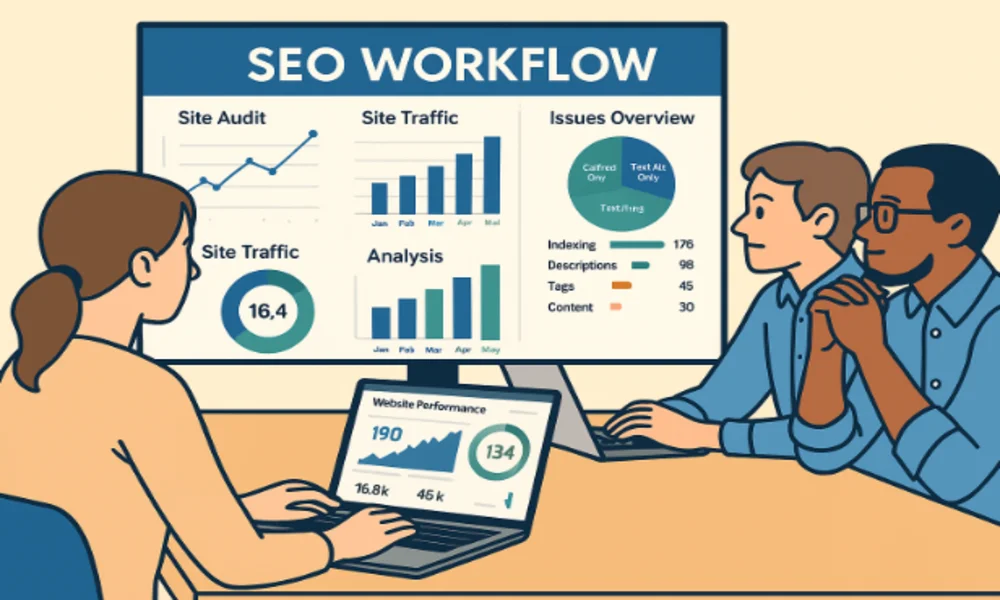
Choosing between a one-time audit and ongoing support depends on the size of your site. If you run a small local website, one audit may be sufficient to establish a solid foundation. But if you manage an online store or software site with many new pages and changes, ongoing audits help keep your site healthy, competitive, and up to date with Google’s algorithms.
In short: One-time Audit = short check, Ongoing Audit = long-term care
How to Evaluate ROI from a Technical SEO Audit
A technical SEO audit is only worth the money if it helps your website perform better. The good news is that most audits, when done properly, pay for themselves many times over. The key is to measure the right results after the audit is complete.
Better Crawl Efficiency
When errors like broken links or duplicate pages are fixed, search engines can use their crawl budget more smartly. This means your core pages get found and ranked faster.
Improved Site Speed and User Experience
Slow websites lose visitors, but fixing Core Web Vitals can lower bounce rates and increase CTR. For example, a one-second improvement in load time can boost conversions by up to 7%.
“Industry benchmarks show that technical SEO performance can vary a lot across different niches, which helps explain why audit costs aren’t the same for every business (Databox, 2026).”
Higher Sales and Lead Generation
If your checkout process or product pages were difficult to find before, fixing those technical issues will attract more buyers. One retailer saw a 20% jump in revenue after fixing crawl errors.
In short, a technical SEO audit helps your site get seen quickly, provides visitors with a better UI/UX, and generates more sales.
Comparison – DIY/Layman vs. Expert Audits
When people ask about SEO audit pricing, the big question is: Should I use a tool myself, or pay for an expert audit? Both options exist, but the results are very different.
DIY/Layman Audits
Often use free or low-cost tools such as SEMrush, Ahrefs, or Screaming Frog.
They are fast and cheap — you get results in minutes.
Best for small websites or a quick check.
Weakness: Reports are long and hard to read. They highlight several issues, but do not specify which ones to address first.
Expert Audits
Performed by SEO professionals who know how to find and explain problems.
Cost more, but give better value in the long run.
The expert identifies the most critical errors and explains how addressing them will improve rankings, traffic, and sales.
A technical SEO audit at this level includes a clear plan and prepares your site for future Google updates.
In short:
DIY audits = Quick report, low cost, no clear guidance.
Expert audits = Higher cost, clear roadmap, stronger long-term results.
If your site is small, a DIY audit may be enough. However, if your site is the central source of business revenue, paying the cost of a technical SEO audit handled by the experts is recommended.
And if you're a non-expert looking for a skilled provider, don’t worry — in the next section, we'll walk through the factors to help you choose the right one.
How to Choose the Right SEO Audit Provider
Questions to Ask Before Hiring
What tools and processes do you use?
Will you provide specific recommendations, rather than just a list of errors?
Can you share case studies or past audits you’ve done?
Who will execute the audit — internal team, specialists, or contractors?
Do you offer follow-up checks to ensure fixes are implemented?
Red Flags to Watch For
Extremely low pricing with vague deliverables
Reports that are fully automated, with no human insight or explanation
No follow-up support or accountability
Why Partnering with Experience Helps
Choosing a provider with local and technical expertise makes a big difference. For example, HatchTechs UAE, a full-scale, tech-driven digital marketing company, blends audit quality with KPI-focused execution.
Their approach is not only problem-solving but also future-focused, as they address issues that align with the niche and business.
When checking proposals, ask providers if they can offer a sample audit (or part of one) to see their depth of insight and communication style.
Conclusion
A technical SEO audit isn't about cost — it's an investment in your website's long-term growth. Whether you spend $500 or $15,000, what really matters is that the audit identifies issues holding your site back and provides a clear plan to address them.
The higher price ranges include advanced tools, expert-driven hours, action-ready reports, and ongoing support. These are not “nice to have” extras; they’re what ensure your website can compete, scale, and generate real revenue online.
When choosing a provider, consider experienced partners like HatchTechs UAE. They don’t just check your site — they also connect the fixes to your business goals. Paying more at the start may seem costly, but the return on faster rankings, increased traffic, and higher sales is worth it.