
How Do Search Engines Rank Websites?
Blog
July 20, 2026
626 views
Super Admin
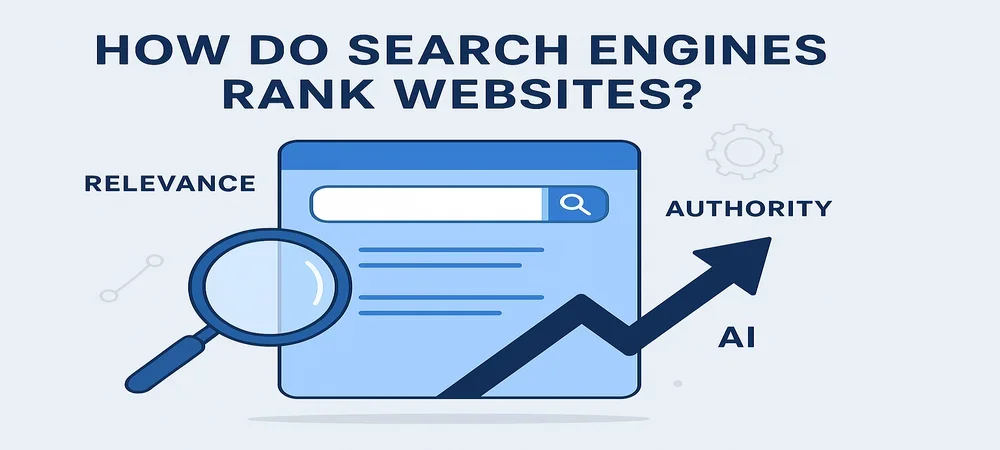
Search engines rank websites by evaluating hundreds of factors to determine which pages provide the most relevant, trustworthy, and valuable results for a user's search query. Elements such as high-quality content, backlinks, page speed, mobile-friendliness, user experience, and technical SEO all influence rankings. This guide explains how search engines rank websites and the key optimization strategies that can improve your visibility in search results.
Every time you search on Google, millions of websites compete for the top spot. Yet only 10 appear on the first page — and even fewer capture your click.
So, what makes search engines choose one site over another?
The answer lies in a mix of relevance, authority, user experience, and now AI-focused nativity.
This guide explains how search engines work, what affects your Google rankings, and how to improve them to make your business visible, trusted, and profitable online.
Key Takeaways
Relevance, authority, and user experience form the three pillars of search engine rankings.
E-E-A-T (expertise, experience, authoritativeness, trustworthiness) strengthens credibility and increases rankings.
Backlinks and digital PR remain key indicators of trust and authority.
Technical SEO — including Core Web Vitals, mobile performance, and site speed — is now a mandatory requirement.
AI-driven search (RankBrain, BERT, SGE) prioritizes intent-matching and geo-compliance over keyword stuffing.
Businesses that align SEO with customer intent and localized visibility stay ahead of algorithm changes.
What is Search Engine Ranking & Why It Matters?
A search engine ranking shows where your page appears in Google’s results for a search. The higher it ranks, the more visibility it gets — which usually means more clicks, traffic, and conversions.
Many people confuse indexing with ranking. Indexing simply means Google has stored your page so it can appear in results. Ranking is when Google evaluates your page and decides where it should appear based on relevance, quality, and user experience
Two important factors affecting your page placement are user location (GEO) and AI-driven optimization. Google doesn’t show the same results to everyone — the same search can produce different pages depending on where the user is located.
In today’s AI-driven world, ChatGPT processes over 2.5 billion prompts daily; website owners must go beyond traditional SEO to stay visible and remain relevant. Your content should be clear, structured, and easy to understand, with location-specific context, language, and local intent to make it both AI-friendly and relevant to readers.
Why Adapting Matters:
Optimizing your page for search engines and LLMs helps attract high-intent traffic — users who are ready to make decisions. These visitors are actively comparing products or services, and by meeting their search intent, you increase the chances they’ll click, engage, and convert.
Sites that align content with new AI-driven understanding — plus GEO relevance — remain visible, relevant, and trusted. Those who don’t risk losing ranking during major updates.
What Are The Key Ranking Factors Search Engine Use?
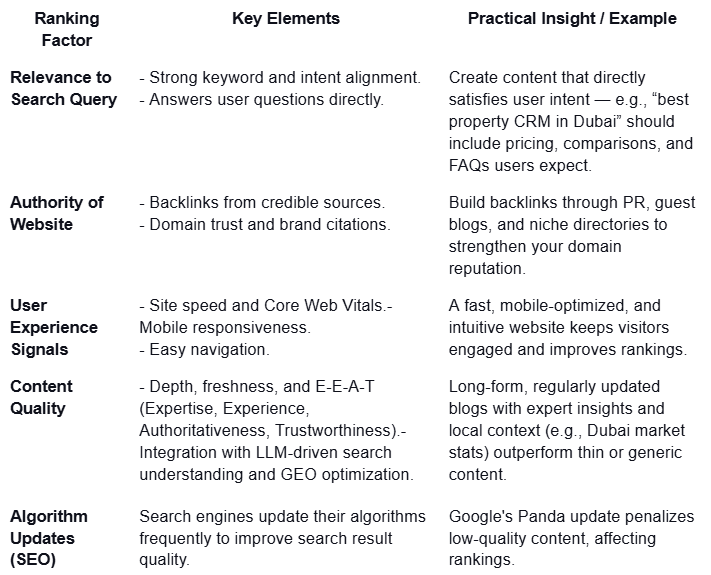
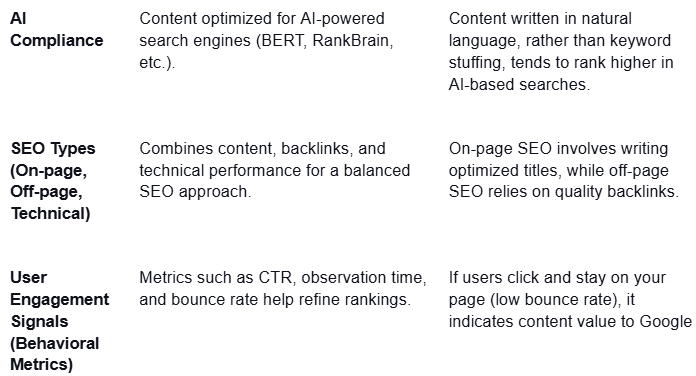
Case Study:
A recent study found that websites using clear intent-based keywords, trustworthy backlinks, and easy-to-use design gained over 70% more traffic within three months.
Sites that use AI-friendly structures and GEO-specific content (such as mentioning cities, regions, or local data) ranked faster and stayed longer on the first page of Google. This happened because search engines could better understand both the topic and the location relevance of the content.
How Do Search Engines Work, Store, & Rank Pages
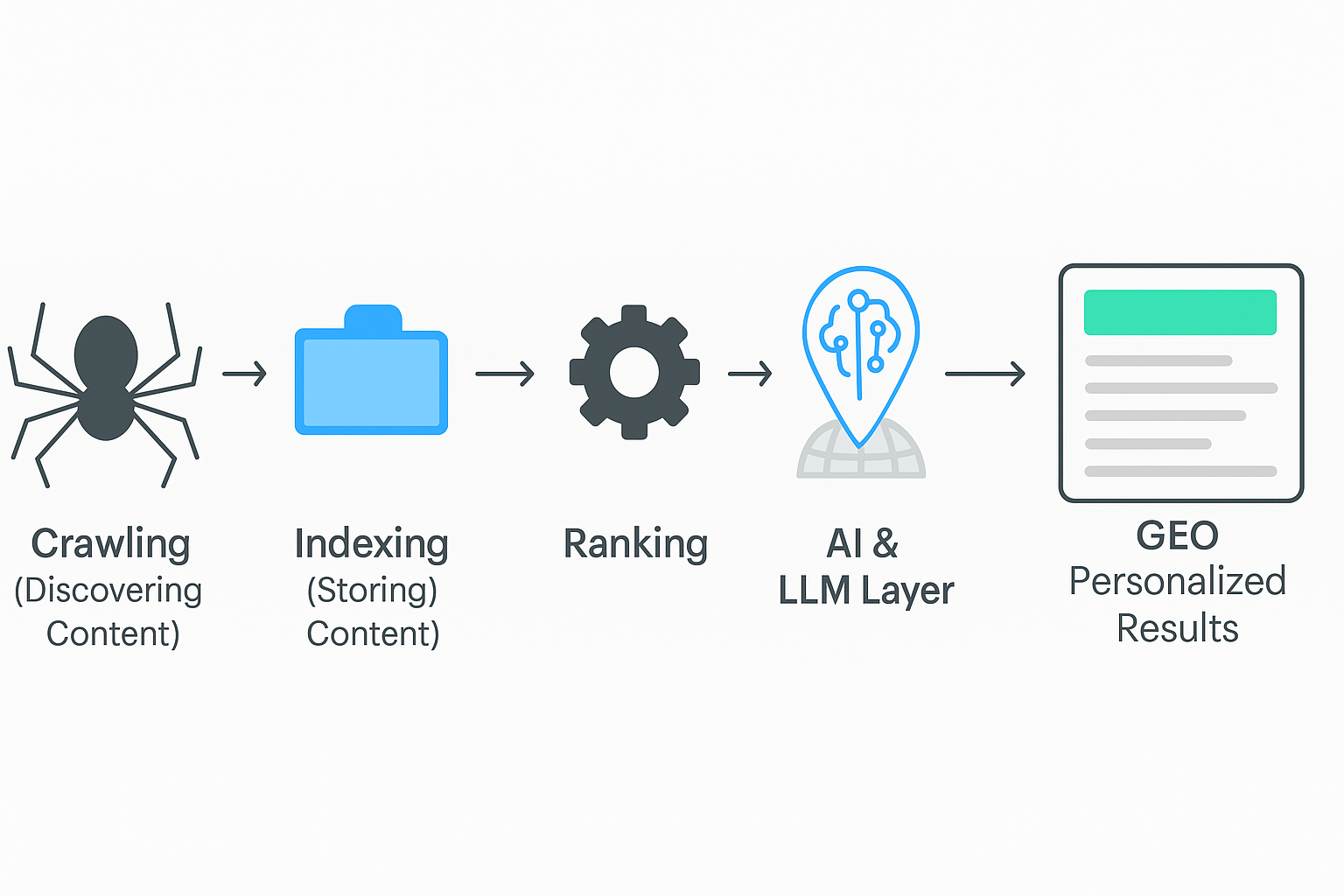
Search engines follow a step-by-step process to discover and assess new content, determining which pages should appear first in search results.
Step 1: Crawling (Discovering Content)
Search engines use bots (or “spiders”) to discover new pages. They follow internal and external links, sitemaps, and feeds to map the web (Google Developers, 2026).
Understanding this step helps you see how search engines work at their core.
Tips:
Keep a clear internal linking structure and submit XML sitemaps.
Avoid crawl traps (infinite calendars, duplicate URLs).
Ensure fast server response to maximize crawl budget.
Step 2: Indexing (Storing Content)
After crawling, pages are analyzed and stored in the search engine’s index, like a giant digital library. Indexed pages are eligible to rank high in search engines.
Tips:
Use original, structured content with unique titles.
Implement canonical tags to prevent duplicates.
Add structured data (schema) to help search engines understand context.
Use hreflang for multilingual or multi-region pages.
Step 3: Ranking (Serving Results)
After indexing, algorithms decide the order of results. They evaluate hundreds of signals — including relevance, authority, and user engagement — as well as GEO factors, AI-powered personalization, and LLM-driven understanding, to match searcher intent more precisely.
Tips:
Target search intent, not just keywords.
Improve Core Web Vitals and mobile experience.
Earn reputable backlinks and local citations.
Use location-specific content to capture GEO signals.
Case: Two SaaS firms compete for “best property CRM.” One optimizes content depth, gains high-quality backlinks, and includes Dubai-specific FAQs. The other uses thin content and no local cues. The first ranks higher because it aligns with both algorithmic and user intent.
Proven Strategies to Improve Your Website Rankings
1. Choose the Right Keywords
Use simple, clear words that people actually type into Google.
Think about what they want — are they looking for answers, products, or help?
Example: Instead of just “CRM solution,” use “best CRM for [real estate agent]” to match search engine intent.
2. Create Helpful and Trustworthy Content
Share facts, real tips, and honest information.
Write in your own words and explain things clearly.
Add names of experts or sources to make your content more trusted.
Keep your pages updated and make them easy to read so they rank high in search engines naturally.
3. Get Good Backlinks
Ask trusted websites or blogs to link to your site.
Share helpful posts that others want to recommend.
Stay away from fake or spammy links — they can hurt your ranking.
4. Make Your Website Fast and Easy to Use
Ensure your pages load quickly on both phones and computers.
Use secure links (HTTPS) and fix broken pages or links.
Keep your site simple and easy to navigate.
5. Track Your Results
Use free tools like Google Search Console to monitor how users find your site.
Check which pages get the most visitors.
Continue to improve your content and refine pages that are not performing well.
How Businesses Can Benefit from Understanding Ranking Factors

1. Get More Ready-to-Buy Visitors
Websites on the first page of Google get about 90% of all clicks.
That means ranking higher brings more people who are already looking for your product or service.
Example: HatchTechs UAE helps real estate and SaaS companies reach these high-intent users by targeting clear local keywords like “best property CRM Dubai” or “car rental software UAE.” This way, they connect with real customers, not random clicks.
2. Spend Less on Ads
Businesses with strong SEO save up to 40% on paid ads.
Free clicks from Google (called organic traffic) keep coming even when you stop running ads.
Good SEO = more sales without paying every time someone clicks.
3. Stay Ahead of Competitors
Companies that update their SEO regularly see twice the growth rate of those that don’t.
If you rank higher than your rivals, you’ll get more clicks, calls, and customers.
4. Build a Strong and Trusted Brand
75% of users trust websites that appear first on Google.
When your website appears frequently, people start to remember your brand name and trust your content.
5. Be Seen in Your City or Country
Local SEO helps your business show up where people are searching nearby.
GEO-friendly pages can bring up to 80% more local traffic and make it easier for customers to find you online and offline.
Common SEO Mistakes That Affect Rankings
Keyword Stuffing: Adding too many keywords makes content sound fake and can lower your rank. Write naturally instead.
Duplicate or Thin Content: Copying or posting very short articles provides little to no value to readers. Always share fresh and useful ideas.
Ignoring Mobile Users: If your website isn’t mobile-friendly, people leave fast (bounce rate) — and Google notices. Ensure it displays well on all screens.
Bad Backlinks: Links from weak or unrelated websites can hurt trust. Focus on acquiring high-quality links from genuine, relevant websites.
Ignoring AI and GEO Elements: Search engines now use AI and location optimization to rank content. Include location-specific details and address real user questions.
Outdated Algorithm Compliance: Failing to update your website and SEO in response to algorithm changes can result in traffic loss. Regularly review and refresh your content.
Future of Search Rankings – What to Expect
Smarter AI Answers
Search engines like Google now use AI to give fast, accurate answers. Clear, honest content will appear more often in Google search engine rankings — a trend confirmed by (Search Engine Land, n.d.).
Voice Search is Growing
Many people now use their voice to search on phones or smart speakers. To appear in these results, write in a simple, natural way — like how people talk.
Easy and Fast Websites Win
Search engines like websites that load fast and are easy to use. A clean design, quick pages, and clear words help your visitors stay longer.
Local and Smart Search Work Together
Search results now change based on where you are and what you mean. If you use location details and simple language, Google will rank your website higher, and more people in the area will be able to find you.
Conclusion
Search engines no longer just look at words or links. They look for websites that help people the most. To get a higher spot, your site needs to be helpful, trustworthy, and easy to use.
It also helps when your content matches where your visitors are. This is called GEO-compliance — it means showing the right information to people in the right place and language.
As search engines continue to improve with AI, websites that share honest, clear, and helpful content will consistently prevail.
Keep your content real, helpful, and made for people — and your website will naturally improve its search engine ranking over time.